

Views: 0 Author: Site Editor Publish Time: 2026-09-16 Origin: Site


The shift in outdoor design moves away from permanent, labor-intensive masonry builds. Homeowners now prefer modular, high-performance BBQ pods. These units offer an all-in-one cooking experience without the messy construction. Buyers face a significant capital investment. You need verifiable data on whether lightweight metal frameworks withstand decades of environmental exposure. UV rays, salt spray, and freeze-thaw cycles destroy inferior materials. We must move beyond manufacturer marketing claims. We will objectively evaluate the material science, structural realities, and maintenance requirements. These factors dictate the true lifecycle of aluminum-based outdoor culinary spaces. Understanding the difference between the structural shell and the consumable components ensures you set realistic expectations for your outdoor living space.
Baseline Longevity: A properly powder-coated aluminum framework can last 20 to 30+ years outdoors, significantly outlasting traditional wood or mild steel frameworks.
Appliance vs. Structure Lifespan: While the aluminum shell is nearly indefinite, high-end integrated grills and appliances typically require rebuilding or replacement every 15 to 20 years.
Climate Resilience: Aluminum’s natural inability to rust makes it the superior choice for coastal and high-humidity environments, provided marine-grade finishes are applied.
Deployment Efficiency: Pre-fabricated aluminum pods reduce installation timelines from months (traditional builds) to mere days, minimizing site disruption, labor costs, and weeks of waiting.
Traditional outdoor kitchens built with wood framing inevitably rot. Moisture penetrates the timber. This invites mold, mildew, and structural decay. Kitchens built with mild steel or cinderblock face different threats. Steel rusts rapidly in damp environments. Cinderblock absorbs water like a sponge. This leads to moisture expansion and cracking during freezing temperatures. You need a structural material that ignores these environmental threats.
Let us look at the chemistry. Ferrous metals contain iron. When iron mixes with oxygen and water, it creates iron oxide. We call this rust. Rust flakes away. This exposes fresh metal to the elements. The continuous cycle eventually destroys the structural integrity of the frame. Aluminum contains no iron. It physically cannot rust. When bare aluminum meets oxygen, it undergoes oxidation. It forms a microscopic, hard layer of aluminum oxide on its surface. This layer acts as a permanent shield. It prevents further degradation. This chemical reality makes a well-built Aluminum Outdoor Kitchen structurally superior for exterior environments.
Bare aluminum survives outdoors. Architectural powder coating elevates its durability. Manufacturers apply dry powder to the metal frame electrostatically. The frame enters a curing oven. Heat melts the powder into a smooth, continuous film. This baked-on finish creates highly durable waterproof aluminum cabinetry. The coating resists scratching, fading, and chemical degradation. It seals the metal completely from moisture. Powder coating will not blister or peel when applied correctly. It provides a non-porous barrier. This barrier repels grease, food spills, and environmental pollutants.
Dissimilar metals create technical challenges in wet environments. When aluminum touches stainless steel in the presence of an electrolyte like saltwater, a galvanic reaction occurs. The less noble metal corrodes faster than normal. Manufacturers must isolate aluminum from stainless steel fasteners. High-quality builders use nylon washers, dielectric grease, or specialized coatings on hardware. These isolation techniques prevent galvanic corrosion. You must ensure your chosen manufacturer addresses this specific material science challenge during assembly.
Material | Rust Resistance | Rot Resistance | Weight Profile | Installation Speed |
|---|---|---|---|---|
Wood Framing | High | Low | Medium | Slow |
Mild Steel | Low | High | Heavy | Medium |
Concrete/Masonry | High | High | Extremely Heavy | Very Slow |
Powder-Coated Aluminum | Maximum | Maximum | Lightweight | Fast |
Geographic location dictates how outdoor structures age. Different climates attack materials in unique ways. Aluminum performs exceptionally well across various extremes. The finish must match the environment.
Airborne salinity destroys standard outdoor furniture rapidly. Salt accelerates the corrosion of ferrous metals. A properly specified rustproof cabinetry kit ignores airborne salt. The underlying aluminum will not rust. The powder coat must withstand the harsh coastal atmosphere. Oceanfront properties require marine-grade powder coating. Look for AAMA 2604 or AAMA 2605 certifications. These architectural standards guarantee rigorous testing against salt spray and humidity. Laboratories subject these finishes to thousands of hours in salt fog chambers to verify their resilience. Standard finishes pit or chalk near the ocean. Marine-grade finishes ensure the cabinets retain their color and protective seal for decades. They survive even yards from the surf, shrugging off the corrosive sea breeze.
Winter weather destroys masonry and plastics. Water enters microscopic cracks in stone or concrete. When temperatures drop, the water freezes and expands. This expansion fractures the structure. Plastics become brittle. They shatter under minor impacts in sub-zero weather. Aluminum handles extreme temperature drops flawlessly. It does not become brittle. It maintains its structural yield strength regardless of the cold. The internal compartments need protection. High-quality aluminum outdoor kitchen sets utilize weather-sealed gaskets. These rubberized seals line the doors and drawers. They keep melting snow and ice from penetrating the dry storage areas. This protects your utensils and dry goods.
Desert environments test thermal conductivity and UV resistance. Homeowners often worry that metal cabinets will become too hot to touch. Aluminum conducts heat. It also dissipates it rapidly. Powder coating acts as a thermal insulator. Lighter color choices reflect solar radiation. This keeps surface temperatures comfortable. UV degradation poses a bigger threat than heat. Intense sunlight causes inferior finishes to chalk or fade. High-quality architectural powder coats include UV inhibitors. These additives prevent color fading over a 10-year horizon. The kitchen looks vibrant despite relentless sun exposure.
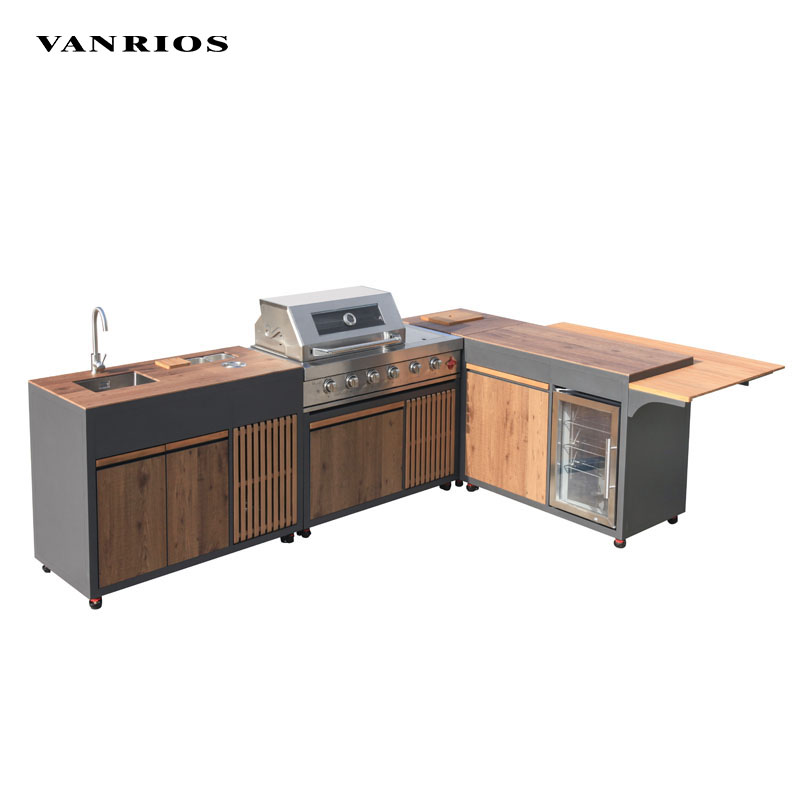
An outdoor kitchen functions as a system. The system contains structural elements, cooking appliances, and moving hardware. Each category has a different expected lifespan. You must evaluate these components separately. This helps you understand the true lifecycle of the pod.
The structural shell represents the longest-lasting component. Extruded aluminum framing provides massive structural integrity. Extrusions are solid, thick profiles pushed through a die. They resist bending and warping far better than folded sheet metal. Manufacturers typically use 6000-series architectural aluminum alloys. These alloys offer an exceptional strength-to-weight ratio. A frame built from heavy-gauge aluminum extrusions, often featuring 1/8-inch wall thicknesses, will easily surpass 20 years of continuous outdoor exposure. The structural skeleton of a premium weatherproof outdoor kitchen is effectively a permanent installation. It will not sag under the weight of heavy concrete countertops or massive kamado smokers.
The cooking components housed within the pod face extreme internal heat and external weather. Set realistic expectations for these appliances. Even premium 304 stainless steel gas grills will not outlast the aluminum shell. High-end grill inserts typically last 15 to 20 years. You rarely need to replace the entire grill head. The economics of premium appliances favor rebuilding. Key components like cast stainless burners, ceramic igniters, and stainless flavorizer bars degrade over time. You can easily swap these internal parts. Rebuilding the guts of the grill extends its overall life significantly. This keeps the main appliance functional for two decades.
Moving parts wear out. Hardware represents the shortest lifespan within the pod. You should expect to replace certain consumable components every 5 to 10 years.
Gas struts on heavy access doors lose pressure over time.
Soft-close stainless steel hinges accumulate dirt and lose their dampening effect.
Rubber weather gaskets dry out, compress, or crack from UV exposure.
Drawer slides require re-greasing or replacement if exposed to heavy grit.
Replacing these components is simple and inexpensive. Manufacturers design the pods to allow easy swapping of hinges and seals. You do not need to disassemble the entire structure. Treat these parts like tires on a car. They are consumable items that ensure the main vehicle keeps running smoothly.
Component Category | Expected Lifespan | Maintenance Requirement |
|---|---|---|
Aluminum Extrusion Frame | 20 - 30+ Years | Annual wash, visual inspection |
Powder Coat Finish | 10 - 15+ Years | Mild soap cleaning, avoid abrasives |
Stainless Steel Grill Head | 15 - 20 Years | Deep clean twice a year, cover in winter |
Burners & Igniters | 5 - 10 Years | Wire brush cleaning, periodic replacement |
Hinges & Gas Struts | 5 - 10 Years | Lubrication, tension adjustment |
Choosing between a modular pod and a custom masonry build impacts your property, your timeline, and your structural requirements. Modular aluminum systems offer distinct advantages in deployment and flexibility.
Pre-configured pods deliver a cohesive aesthetic right out of the box. You avoid the piecemeal look of mismatched custom builds. Different designs impact both usability and structural rigidity. Straight-line layouts offer clean, modern lines. They fit easily against existing walls. L-shaped configurations create natural working triangles for the chef. They offer immense freestanding stability. The modular nature ensures that all gaps, tolerances, and appliance fits are engineered perfectly in a factory. They are not improvised on your patio.
Custom masonry builds cause massive site disruption. Contractors dig footings, mix mortar, cut stone, and generate dust for weeks. The lead time for custom masonry often stretches 12 to 14 weeks from order confirmation to completion. Your backyard becomes a construction zone. Pre-built aluminum pods contrast sharply with this reality. Rapid deployment is a primary benefit. Modular installation typically takes several days to one week. The process is straightforward. Delivery teams unload the pre-assembled cabinet boxes. Installers position the units and adjust the heavy-duty leveling legs to accommodate sloped patios. They bolt the individual modules together using pre-drilled holes. Finally, they drop the grill and refrigerator into the precision-cut openings. The exact timeline scales based on the size of the kitchen and the complexity of the utility connections. You skip the messy construction and weeks of waiting.
Masonry kitchens weigh thousands of pounds. They require reinforced concrete footings to prevent sinking or cracking. This limits where you can place them. Aluminum offers incredible load-bearing benefits without the massive weight penalty. The lighter overall weight allows for installation on existing wooden decks, composite decking, rooftops, and high-rise balconies. You do not need to pour new concrete footings. This structural efficiency saves thousands of dollars in site preparation.
Permanent stone structures cannot move. If you sell your house, the kitchen stays. If you want to change the layout, you need a sledgehammer. Aluminum pods offer future-proofing through modularity. You can unbolt the sections and reconfigure the layout. You can expand the kitchen by adding new cabinet modules later. High-quality systems feature integrated utility chases. These hollow channels allow plumbers and electricians to run gas lines and wiring cleanly through the back of the cabinets. If you move to a new home, you can disconnect the utilities, pack up the BBQ pod, and take it with you. This flexibility protects your initial capital investment.
Aluminum resists the elements naturally. Proactive protection extends the life of the finish and the integrated appliances. Simple mitigation strategies ensure your outdoor culinary space remains pristine.
Direct exposure accelerates wear on any material. Pairing a BBQ pod with overhead protection exponentially increases its lifespan. Consider integrating a dedicated BBQ shelter, a louvered roof, or a timber pergola. This creates a true all-year-round cooking environment. Overhead protection mitigates direct UV radiation. It prevents finish chalking. It stops heavy precipitation from beating against the appliance control panels. Keeping the pod shaded and relatively dry reduces the maintenance burden. It protects the sensitive electronics in modern outdoor refrigerators and grills.
Evidence-based cleaning schedules prevent surface degradation. You do not need harsh chemicals.
Wash the cabinets monthly with a mild, pH-neutral soap and warm water.
Use a clean microfiber cloth to wipe down the powder-coated surfaces.
Strictly avoid abrasive chemical cleaners, scouring pads, or stiff bristle brushes.
Rinse with a standard garden hose. Never use a high-pressure power washer at close range. It can damage the weather seals.
Winterization is equally critical. Shut off the water supply lines before the first freeze. Drain all outdoor sinks and plumbing fixtures. Turn off the gas supply line. Clean the grill grates thoroughly. This prevents grease from attracting rodents during the winter months.
Protect your investment by understanding the paperwork. Instruct yourself on how to read manufacturer warranties before purchasing. Do not accept a blanket lifetime warranty claim without reading the fine print. Warranties are typically tiered.
The aluminum structural frame usually carries a lifetime warranty against structural failure or rust.
The powder-coat finish typically carries a limited warranty of 5 to 10 years against peeling or severe fading.
The integrated grill heads and refrigerators carry separate, third-party warranties from their respective manufacturers.
Hardware and gas struts usually carry a 1 to 3-year warranty.
Knowing these tiers helps you budget for minor component replacements down the road.
Measure your available patio footprint and locate your existing gas, water, and electrical utility access points.
Request physical powder-coat color samples from the manufacturer to test how the finish looks in your specific backyard lighting.
Consult a structural engineer or deck builder to verify your existing deck can support the loaded weight of the pod and appliances.
Contact a modular kitchen specialist to generate a site-specific 3D rendering and confirm an accurate installation timeline.
A: No. Aluminum contains no iron, making rust chemically impossible. When exposed to air, bare aluminum forms a hard, microscopic layer of aluminum oxide that protects the metal. High-quality outdoor kitchens are also powder-coated, completely sealing the metal from moisture and preventing any surface oxidation.
A: Aluminum conducts heat, but architectural powder coating acts as a thermal insulator. Lighter color choices reflect solar radiation effectively. While the surface will get warm in direct summer sun, it dissipates heat rapidly and rarely becomes too hot to touch compared to bare stainless steel.
A: Clean the cabinets using a mild, pH-neutral dish soap and warm water. Wipe the surfaces gently with a soft microfiber cloth. Rinse with a standard garden hose. Never use abrasive sponges, harsh chemical solvents, or high-pressure power washers, as these can scratch the powder coat or damage rubber seals.
A: Yes, the aluminum cabinetry can withstand freezing temperatures and snow without damage. However, you should cover the grill and appliances to protect their internal components and electronics. Winterizing the plumbing by draining all water lines is also mandatory to prevent frozen pipe bursts.
A: Pre-configured, off-the-shelf modular pods can often be delivered in a few weeks. Custom layout configurations typically require 12 to 14 weeks from order confirmation to delivery. Once on-site, the actual assembly and installation usually take only several days to one week.
A: Powder-coated aluminum is generally superior for cabinetry structures. It is significantly lighter, entirely rustproof, and requires far less maintenance. Bare stainless steel shows fingerprints, requires frequent polishing, and can develop surface rust in coastal environments if not rigorously maintained.


