

Views: 0 Author: Site Editor Publish Time: 2026-09-12 Origin: Site


Curating a villa courtyard requires balancing interior-grade luxury with exterior environmental resilience. Many high-end outdoor spaces fail because they prioritize visual aesthetics over ergonomic support. This oversight results in underutilized courtyards and heavy maintenance demands that frustrate homeowners. Upgrading to a purpose-built Aluminum Outdoor Sofa Set solves this issue directly. Powder-coated metal serves as the optimal baseline for modern outdoor living. It balances structural longevity, premium comfort, and high-end design transformation. You can enjoy your hardscape without the constant burden of upkeep. We see too many luxury patios ruined by rotting wood or rusting iron. Aluminum frames eliminate these headaches entirely. They provide a rigid, weather-proof foundation that supports thick, ergonomic cushions. This upgrade transforms a purely visual landscape feature into a highly functional extension of your home footprint.
Material Superiority: Aluminum frames eliminate the rot, rust, and heavy maintenance associated with wood and iron, offering a superior lifecycle ROI.
Ergonomics Dictate Utilization: A truly comfortable outdoor sofa set relies on specific seat depth, backrest pitch, and high-density, quick-dry foam engineering.
Spatial Scalability: Modular configurations allow for precise adaptation to unique villa courtyard footprints and hardscape layouts.
Design Versatility: Sleek aluminum foundations can be seamlessly integrated with mixed-material accents (like teak or wicker) to achieve a fresh, luxury aesthetic.
A standard dining chair sits differently than a lounge piece. For courtyard lounging, seat height must hover between 16 and 18 inches. This specific height allows your feet to rest flat on the hardscape, promoting proper circulation through the legs. Cushion thickness requires a minimum of 5 to 6 inches. Anything less compresses under adult weight, causing you to feel the rigid metal frame below. Ergonomic back support relies on a slight backward pitch, usually around 10 to 15 degrees. This angle relieves lower back pressure during extended seating sessions.
We measure comfort through biomechanical alignment. When you sit outdoors for hours, your hips should sit slightly lower than your knees. This posture prevents lower back fatigue. High-density foam cores provide the necessary resistance to keep your spine aligned.
To verify ergonomic quality, check these specific dimensions:
Seat Depth: Aim for 24 to 26 inches of usable depth to accommodate relaxed lounging.
Backrest Height: Ensure the back frame extends at least 18 inches above the seat cushion to support the shoulder blades.
Armrest Height: Look for armrests positioned 8 to 10 inches above the seat deck to prevent shoulder shrugging.
Pitch Angle: Verify the seat deck tilts backward by roughly 3 to 5 degrees to keep you firmly in the cushion.
The psychological impact of these metrics is significant in luxury residential design. A seamless transition from indoor living rooms to outdoor spaces encourages daily use. When the outdoor furniture matches the indoor ergonomics, you naturally spend more time outside. The courtyard transforms from a purely visual landscape feature into a highly functional extension of the home footprint. Investing in a premium Patio Sofa Set requires understanding these foundational comfort metrics.
Villa courtyards create unique microclimates that stress furniture in specific ways. High masonry walls often trap heat during summer afternoons, creating a localized greenhouse effect. Narrow passages between architectural structures can generate high-velocity wind tunnels. Proximity to water features, swimming pools, or dense foliage increases ambient humidity significantly. You must select materials engineered to withstand these concentrated environmental stressors.
Trapped heat accelerates the thermal warping of inferior plastics and degrades low-quality synthetic weaves. High humidity promotes rapid mold growth in standard foam cushions and accelerates wood rot. Wind tunnels demand furniture with sufficient structural mass to resist displacement. Material selection must account for UV degradation, block moisture retention, and maintain structural integrity across fluctuating seasonal temperatures.
Consider the specific hardscape materials in your courtyard. Dark bluestone or stamped concrete absorbs massive amounts of solar radiation. This radiant heat bakes the underside of your furniture. If you use resin or cheap plastic, the frames will soften and bow over a single summer. Metal frames ignore this radiant heat entirely. They maintain their structural rigidity regardless of the ambient temperature baking off the patio floor.
Luxury patio designs frequently showcase traditional materials, but these options carry heavy maintenance burdens. Teak requires annual oiling and sanding to prevent it from weathering to a rough, silvery gray. Natural and synthetic wicker remains highly prone to unravelling. Prolonged UV exposure makes wicker fibers brittle, leaving them susceptible to snapping under normal weight. Recycled plastic offers decent weather resistance but often lacks structural rigidity. Under heavy loads or high ambient heat, plastic frames can bow, sag, or permanently deform.
Metal provides a distinct chemical advantage for outdoor applications. It possesses natural oxidation resistance. When exposed to oxygen, it forms a microscopic oxide layer that halts further corrosion instantly. It remains completely immune to organic decay, rot, and insect damage. This chemical reality makes it the superior foundational frame for any high-end outdoor environment.
We frequently replace five-year-old wooden sets that have succumbed to dry rot at the joints. Wood expands and contracts with humidity. This movement breaks the glue bonds and loosens the stainless steel hardware. Metal frames are welded solid. There are no mechanical joints to loosen over time. The entire frame acts as a single, unified structure.
Raw metal performs well, but powder coating elevates its durability to architectural standards. The powder-coating process applies an electrostatically charged dry powder to the metal surface. High-heat curing at over 400 degrees Fahrenheit melts the powder, creating a hard, continuous skin. This sealed layer protects the underlying structure against harsh environmental factors. It blocks salt air corrosion in coastal regions and resists chemical degradation from chlorine exposure near courtyard pools.
The hardened surface also prevents physical abrasions from zippers, buttons, or hardscape debris. Furthermore, this process maintains an excellent weight-to-strength ratio. The frames remain heavy enough to withstand moderate courtyard winds without shifting. Yet, they stay light enough for you to execute seasonal reconfigurations effortlessly. You can easily move a powder-coated sectional to accommodate a large gathering or shift it into the shade.
Industry standards dictate a powder coat thickness of 2 to 3 mils for exterior applications. This thickness ensures the coating will not chip when accidentally struck by a landscaping tool or a dropped glass. The electrostatic application guarantees uniform coverage, even inside the intricate joints and weld points where moisture typically hides.
Material | Structural Rigidity | Maintenance Requirements | Weather Resistance Profile |
|---|---|---|---|
Powder-Coated Aluminum | Extremely High (Welded joints) | Low (Basic soap and water wash) | Immune to rust, rot, and UV degradation |
Natural Teak Wood | High (Subject to expansion/contraction) | High (Requires annual sanding and sealing) | Resists rot, but weathers to gray without upkeep |
Synthetic Resin Wicker | Moderate (Relies on internal frame) | Low (Requires gentle brushing) | Prone to UV brittleness and unravelling over time |
High-Density Polyethylene (HDPE) | Moderate (Can bow under high heat) | Low (Power washable) | Highly weatherproof, but susceptible to thermal warping |
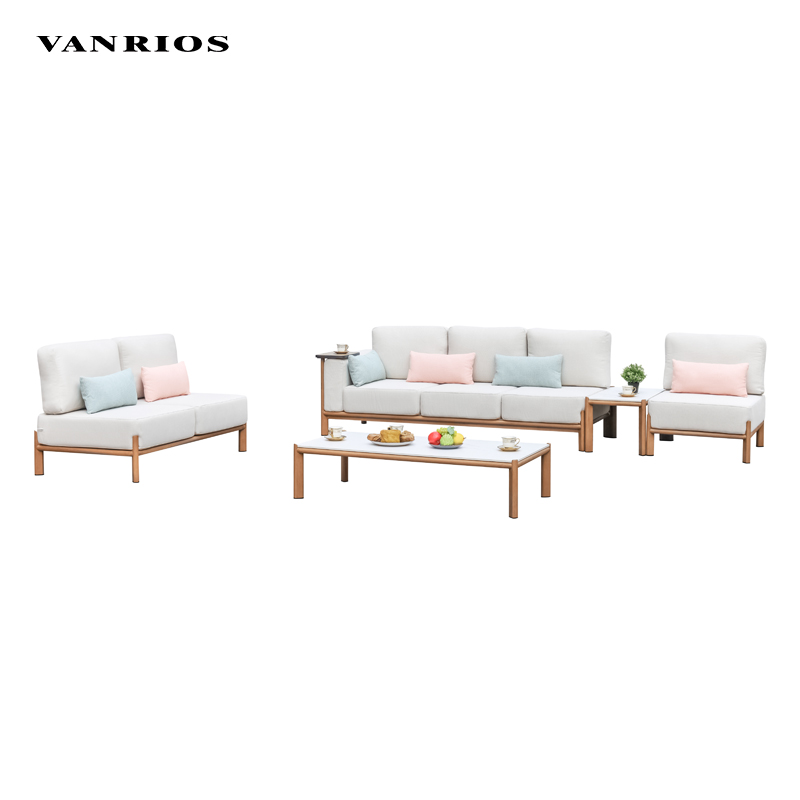
The frame provides structure, but the cushions deliver the actual comfort. Core materials dictate long-term performance. Standard polyurethane foam acts like a sponge. It absorbs water deeply and takes days to dry, inevitably leading to mildew. Reticulated foam features an open-cell structure. Water passes directly through the material without pooling. This quick-dry engineering ensures the seats remain usable shortly after a heavy rain shower.
Fabric technology wraps the foam in necessary protection. Solution-dyed acrylics represent the industry standard for high-end applications. The manufacturing process adds color pigment to the liquid acrylic before extruding the fibers. The color permeates the entire thread, rather than just coating the surface. This prevents UV colorfastness issues, ensuring dark grays and vibrant blues do not fade. The fabric also resists mold and maintains a tactile softness comparable to indoor textiles. Evaluating a Comfortable Outdoor Sofa Set involves looking past the frame to inspect these critical textile details.
We look for specific foam density ratings. A density of 1.8 pounds per cubic foot provides the ideal balance of plushness and support. Lower density foams flatten out within a single season, leaving you sitting on the hard metal deck. High-density reticulated foam maintains its shape for years, even under heavy daily use.
Foam Type | Water Retention | Drying Time | Mildew Resistance |
|---|---|---|---|
Reticulated (Open-Cell) Foam | Extremely Low | 1 to 3 hours | High (Water drains through) |
Standard Polyurethane | High (Acts like a sponge) | 24 to 48 hours | Low (Traps moisture internally) |
Polyester Fiberfill | Moderate | 12 to 24 hours | Moderate (Prone to flattening) |
Beneath the cushions, the underlying support structure plays a major role in user satisfaction. Solid metal plates trap moisture and create a harsh seating surface. Slatted bases allow for proper airflow and rapid water drainage. Some premium designs utilize flexible mesh slings suspended across the rigid frame. This sling acts as a secondary shock absorber, adding a layer of yielding support beneath the primary cushion.
Armrest width and backrest angles further influence prolonged seating comfort. Wide armrests provide a stable, flat surface for resting a drink, a book, or a mobile device. A properly angled backrest prevents you from sitting too upright, which strains the spine over time. When combined with a supportive suspension system, these ergonomic details allow for hours of comfortable lounging.
The longevity of any metal furniture relies entirely on its joint construction. Extruded frames must be welded together to form a cohesive unit. We inspect these welds closely during site installations. A high-quality joint features a full-circumference weld, meaning the metal is fused completely around the intersecting pieces. This continuous bead prevents water from infiltrating the hollow extrusions. If water enters a frame and freezes during winter, the expansion will split the metal open.
Inferior products often rely on spot welds or mechanical fasteners like screws and bolts. Spot welds break under repetitive stress, such as someone dropping heavily into the seat. Mechanical fasteners introduce dissimilar metals, which can lead to galvanic corrosion over time. A fully welded frame eliminates these failure points. When evaluating a piece, run your hand over the joints. The welds should be ground smooth and completely covered by the powder coat, leaving no sharp edges or exposed raw material.
Villa courtyards rarely follow a perfect square footprint. Asymmetrical layouts, mature trees, and integrated fire pits require adaptable furniture solutions. Modular sectionals offer precise scalability. You can break apart a large seating arrangement into individual chairs or reconfigure it into an expansive L-shape. This adaptability suits multi-zone courtyards where entertainment needs shift from intimate family gatherings to large social events.
Proper integration requires strict adherence to clearance zones. High-traffic walkways around the sofa demand a minimum of 36 inches of clearance. This prevents the space from feeling cramped or difficult to navigate. When planning the layout, measure the hardscape meticulously and map out the modular pieces. Ensure the furniture complements the flow of foot traffic rather than obstructing primary pathways.
Follow these steps to integrate a modular system into your hardscape:
Measure the primary gathering zone, subtracting 36 inches from all borders for pedestrian traffic.
Identify the focal point, such as a fire pit, water feature, or scenic view, and orient the primary seating toward it.
Calculate the required seating capacity based on your average entertainment needs.
Select modular corner and armless units to build a configuration that fits the remaining usable footprint.
Leave an 18-inch gap between the front of the sofa and the edge of the coffee table for comfortable legroom.
Visual clutter ruins the relaxing atmosphere of a courtyard. The sleek, minimalist lines of a Courtyard Aluminum Sofa contribute to an uncluttered, modern landscape design. An extruded frame provides a thin, strong profile. This low-profile geometry creates an airy, open feel, making smaller enclosed courtyards appear significantly larger.
Strategic color selection enhances this aesthetic. Neutral powder-coat palettes dominate high-end architectural designs. Matte whites, soft grays, and deep charcoals anchor the space visually. You can pair these neutral foundations with vibrant, textured cushions and patterned throw pillows. This contrast elevates the visual appeal without compromising the durability of the core structure. The result is a sophisticated environment that feels both inviting and highly resilient.
We recommend matching the frame color to the architectural trim of your villa. If your home features dark bronze window mullions, a charcoal or bronze powder coat ties the courtyard directly to the house. This visual continuity blurs the line between indoor and outdoor spaces, making the courtyard feel like a true exterior room.
Modern metal frames can sometimes feel stark or overly industrial. You can address the desire for organic textures through mixed-material integration. Incorporate traditional luxury materials as secondary accents. Pair the metal seating with a solid teak coffee table. Add outdoor wicker lanterns, ceramic garden stools, or natural stone side tables. This layering technique introduces warmth and texture to the hardscape.
Manufacturers now offer hybrid sofa designs to simplify this styling process. These pieces feature powder-coated frames with subtle teak armrest inlays. Others incorporate woven marine-grade rope backings over the metal structure. These hybrid approaches blend the structural invulnerability of metal with the organic warmth of natural materials. You achieve a high-end, curated look without sacrificing performance.
When mixing materials, keep the foundational seating strictly metal. You want the heaviest, most frequently used pieces to be indestructible. Use wood and wicker for accent chairs, side tables, and decor. If a wicker lantern fails after three years, replacing it is simple. If a primary wooden sofa frame rots, the replacement process is highly disruptive.
Every design choice involves a conceptual trade-off. Metal furniture presents a modern, somewhat rigid aesthetic. It lacks the purely organic, rustic feel of a full-wood seating arrangement. Some homeowners hesitate to introduce metal into a heavily landscaped, naturalistic courtyard, fearing it might clash with the organic surroundings.
You can easily mitigate this trade-off through thoughtful styling and landscape integration. Introduce large outdoor rugs to soften the hardscape beneath the furniture. Utilize biophilic design principles by surrounding the seating area with potted courtyard greenery and trailing vines. Layer the sofa with weather-resistant throw blankets and heavily textured pillows. These additions soften the rigid lines of the frame and bridge the gap between modern engineering and natural beauty.
We use oversized planters to break up the hard lines of metal sectionals. Placing a large terracotta pot with a weeping Japanese maple next to a sleek charcoal sofa creates immediate visual balance. The organic curves of the foliage contrast perfectly with the linear geometry of the furniture.
Direct summer sunlight introduces specific challenges for metal furniture. Dark-colored frames absorb heat rapidly. Touching a sun-baked metal armrest can cause immediate discomfort. This heat retention limits the usability of the courtyard during peak afternoon hours, especially in southern climates.
Mitigation requires proactive design choices. Specify lighter powder-coat finishes, such as matte white or light gray, which reflect solar radiation effectively. Utilize deep-seated, oversized cushions that drape over the edges, covering the exposed metal frame entirely. Integrate cantilever umbrellas, pergolas, or shade sails into the courtyard layout. Blocking direct sunlight keeps the furniture cool and protects the fabric from extreme UV exposure.
While weight-to-strength ratios favor mobility, lightweight extruded frames face risks in open environments. High-wind zones can shift or displace individual modular pieces. This disrupts the courtyard layout and risks scratching the stone hardscape or damaging the furniture against masonry walls.
To mitigate wind displacement, opt for cast metal or heavy-gauge extruded frames. These options provide additional mass to anchor the furniture securely. For modular setups, utilize hidden furniture clips. These heavy-duty plastic or metal brackets bind the individual sectional pieces together tightly. A unified, clipped-together sectional creates a heavy, stable block that easily resists high winds.
Winter weather accelerates the degradation of outdoor textiles. While the frame can withstand freezing temperatures without issue, cushions suffer greatly. Snow, ice, and accumulated organic debris break down the fabric fibers and invite aggressive mold growth during the spring thaw.
Establish strict off-season protocols to protect the installation. Implement custom-fitted, breathable waterproof covers for the frames. These covers keep debris off the metal and prevent water from pooling in the joints. Establish a routine for storing cushions in a climate-controlled environment, such as a garage or basement. Removing the cushions from the winter elements extends their lifespan significantly and ensures they remain pristine for the next season.
Before applying winter covers, wash the frames thoroughly to remove any accumulated dirt, bird droppings, or tree sap. These organic materials can degrade the powder coat if left trapped under a cover for six months. Ensure the frame is completely dry before covering it to prevent condensation buildup. For the cushions, brush off any loose debris and spot-clean stains using a mild soap solution. Stand the cushions on their edges in the sun to dry completely before moving them into storage. Storing damp cushions guarantees a severe mold problem by spring.
An aluminum outdoor sofa set provides the most reliable foundation for long-term courtyard comfort and luxury design. It effectively neutralizes the maintenance burdens associated with traditional materials while delivering superior ergonomic support. By prioritizing powder-coated frames, solution-dyed acrylic fabrics, and modular flexibility, you ensure your outdoor space remains both beautiful and highly functional year-round.
To finalize your courtyard upgrade, execute these next steps:
Measure your exact courtyard footprint, marking out a mandatory 36-inch pedestrian clearance zone around the proposed seating area.
Request physical fabric and powder-coat swatches from manufacturers to test colorfastness and heat retention in your specific microclimate.
Map out your off-season storage plan to ensure you have adequate climate-controlled space for the cushions before taking delivery.
Order heavy-duty furniture clips to secure modular pieces together and prevent wind displacement on open patios.
A: A high-quality powder-coated aluminum frame delivers reliable outdoor performance with proper maintenance. The metal resists rust and structural decay entirely. While the frame offers strong durability, the cushions and fabrics typically require replacement within 3 years, depending on UV exposure and off-season storage habits.
A: Metal conducts heat, so dark finishes can become uncomfortably hot in direct summer sunlight. You can prevent this by selecting lighter powder-coat colors like white or soft gray, which reflect solar energy. Thick, deep-seated cushions also insulate you from the frame, minimizing direct contact with heated surfaces.
A: True weather resistance requires a multi-layered approach. It starts with a rust-proof frame that ignores moisture. Next, reticulated foam allows rainwater to pass through the cushions rather than soaking them. Finally, solution-dyed acrylic fabrics resist mold, mildew, and UV fading, ensuring the piece survives harsh environmental exposure.
A: Yes, mixing materials creates a highly curated, luxury aesthetic. Using metal for your primary seating ensures structural longevity. You can then introduce organic warmth by adding teak coffee tables, woven wicker side chairs, or stone fire pits. This layered approach prevents the courtyard from looking overly sterile.
A: You can safely leave the powder-coated frame outside during winter, as it resists freezing temperatures and moisture. However, you must remove the cushions and store them in a dry, climate-controlled space. Covering the bare frame with a breathable, waterproof cover prevents debris accumulation and simplifies spring cleaning.
A: Maintenance is minimal. Wash the frames periodically using a soft sponge, mild dish soap, and warm water. Rinse thoroughly with a garden hose. Avoid abrasive brushes, power washers, or harsh chemical cleaners, as these can scratch or degrade the protective powder-coated finish over time.


