

Views: 0 Author: Site Editor Publish Time: 2026-09-09 Origin: Site


Hotel exterior design carries high financial and reputational stakes. Outdoor lounges, pool decks, and patios operate as primary revenue-generating zones and drive immediate first impressions for arriving guests. The tactile experience of sitting on a well-crafted sofa communicates property value instantly. Luxury hotels face a constant tension between aesthetic ambition and operational reality. Properties must deliver residential-level comfort while requiring commercial-grade durability to withstand high traffic, harsh weather, and rigorous cleaning protocols. Strategic procurement bridges this gap. Selecting the right Commercial Resort Patio Furniture ensures brand elevation and operational efficiency. High-yield investments transform underutilized patios into profitable social hubs. Specifically, an Aluminum Outdoor Sofa Set provides the exact balance of style and resilience required to meet these demanding hospitality standards.
Brand-Architecture Alignment: Outdoor furniture must act as an extension of the hotel’s interior design language, reinforcing brand identity without compromising on environmental resilience.
Material Superiority & ESG: Powder-coated aluminum emerges as the optimal baseline for commercial environments due to its high strength-to-weight ratio, rust resistance, low maintenance requirements, and infinite recyclability supporting sustainability goals.
Modular Scalability: Investing in modular seating configurations allows properties to dynamically adapt spaces for daily guest use or private, high-ticket events.
Evaluating outdoor space return on investment requires tracking specific, measurable metrics. Facilities and food and beverage directors monitor these indicators to justify procurement budgets.
Dwell Time Tracking: Guests who remain comfortable in ergonomic seating stay longer. Extended dwell time directly correlates with higher food and beverage capture rates. A guest sitting on a supportive, deep-cushioned sofa will likely order a second round of drinks or appetizers.
Premium Seating Revenue: Properties can charge premium pricing for cabana or lounge reservations. Guests willingly pay daily rental fees when the provided furnishings look pristine and offer superior comfort compared to standard pool chairs.
Maintenance Labor Reduction: Upgrading to modern materials reduces the daily hours staff spend wiping down, moving, or repairing older units.
Outdated or deteriorating furniture severely impacts online reviews. Worn seating signals neglect to high-net-worth guests who expect flawless environments. A single review mentioning stained cushions or rusted frames damages brand perception instantly. Matching furniture procurement to guest demographics maximizes utilization. Millennial-focused boutique hotels thrive on social, communal seating pods. These layouts encourage interaction and vibrant energy. Conversely, ultra-luxury heritage resorts require private, secluded configurations. A well-placed Luxury Hotel Outdoor Sofa offers the exclusivity these guests demand. The transition from day-use to night-use also dictates procurement choices. Furniture must look equally inviting under bright sunlight and ambient evening lighting.
Cohesive exterior design blends the surrounding environment with the hotel's brand identity. Hospitality designers adopt a "blend, don't match" philosophy for maximum impact. Outdoor spaces function as distinct entities. They complement the interior design scheme without strictly replicating it. This approach creates a unique destination vibe that excites guests upon arrival. Treat exterior layouts as intentional outdoor rooms. Integrating Resort Outdoor Furniture with natural landscaping drives guest satisfaction. Palm trees, shade structures, and water features frame these seating areas naturally. This thoughtful integration creates lasting impressions. It encourages guests to linger, relax, and ultimately spend more on-property. The spatial arrangement dictates the social dynamics of the space, guiding guests naturally toward bars, fire pits, or quiet reading corners.
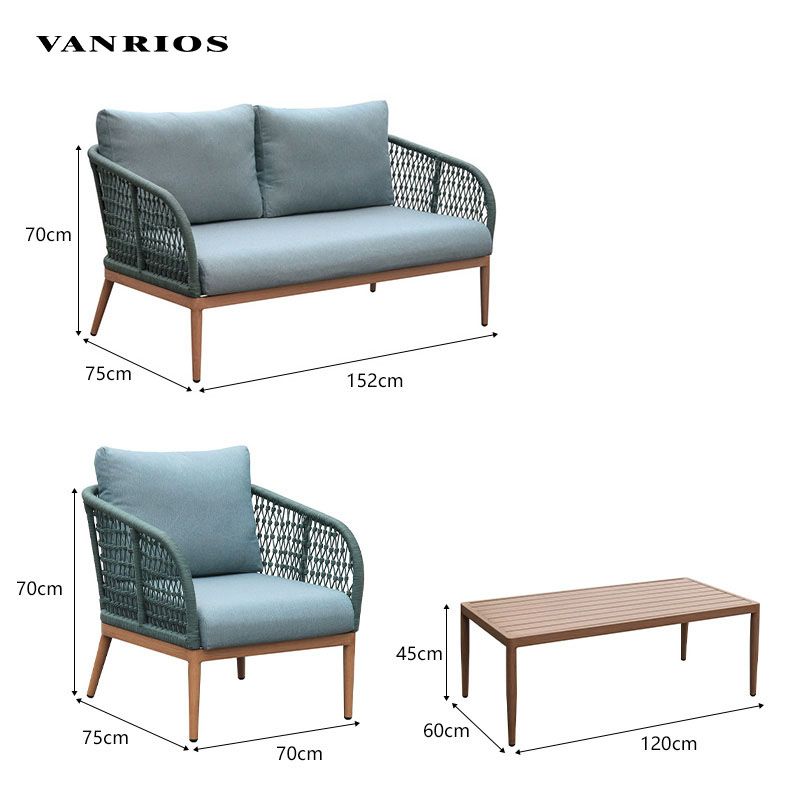
Extruded and cast aluminum possess technical properties ideal for hospitality environments. The extrusion process creates hollow, lightweight tubes with immense structural integrity. They offer complete immunity to rust, even in harsh coastal climates exposed to constant saltwater and high humidity. Structural stability remains consistent under heavy, repetitive daily use. Manufacturers apply powder-coated finishes electrostatically and bake them at high temperatures. This creates a bond far superior to traditional liquid paint, providing exceptional resistance to UV degradation, chipping, and scratching.
The weight advantage of aluminum heavily influences daily operations. Aluminum frames carry enough mass to resist moderate winds on exposed pool decks. Yet, they remain light enough for a single staff member to reconfigure for evening events without risking workplace injury. Aluminum also supports strict Environmental, Social, and Governance (ESG) targets. It operates as an infinitely recyclable material. Luxury hotel brands meet sustainability goals without sacrificing aesthetic appeal or commercial durability.
Teak wood offers a premium aesthetic and natural weather resistance due to its high oil content. However, it demands a rigorous maintenance schedule. Facilities teams must apply specialized teak cleaners, lightly sand the surface to remove raised grain, and apply protective sealers every three to six months. If properties skip this maintenance, the wood oxidizes into a silvery-grey patina. The wood surface can splinter over time, creating liability issues for guests wearing swimwear.
Synthetic wicker provides a popular tropical appeal. High-density polyethylene (HDPE) performs adequately, but cheaper PVC variants fail quickly. Extreme UV exposure over a five-year cycle often causes brittleness. The woven strands eventually unravel under commercial use, creating an unkempt appearance. Steel and wrought iron deliver high structural strength. They also carry a severe risk of oxidation. Rust staining permanently damages expensive pool deck pavers, leading to costly hardscape replacements. Aluminum avoids these pitfalls entirely, offering a superior balance of strength and low maintenance.
Material Type | Commercial Durability | Required Maintenance Level | Rust & Corrosion Resistance | Operational Weight Profile |
|---|---|---|---|---|
Powder-Coated Aluminum | High | Low (Basic soap and water) | Excellent (Immune to rust) | Moderate (Easy for staff to move) |
Teak Wood | High | High (Requires regular oiling/sanding) | N/A (Rot resistant, but fades) | Heavy (Requires two staff members) |
Synthetic Wicker (HDPE) | Medium | Low (Requires soft brushing) | Excellent (Plastic does not rust) | Light (Prone to wind uplift) |
Steel / Wrought Iron | Very High | Medium (Requires paint touch-ups) | Poor (Highly prone to rust) | Very Heavy (Difficult to reconfigure) |
Match furniture profiles directly to property types to maintain visual harmony. Sleek, low-profile aluminum suits modern boutique hotels. Transitional, heavily cushioned designs better serve classic heritage resorts. Color theory plays a vital role in commercial outdoor spaces. Utilize neutral, heat-reflective frame colors like white, silver, or light grey. Dark frames absorb heat, making them uncomfortable to the touch during peak afternoon sun. Pair these neutral frames with easily replaceable, brand-specific cushion covers. This strategy keeps the visual identity fresh. It extends the frame's usable life across multiple design refreshes. Ergonomics dictate how long a guest will comfortably sit. Seat depth, backrest angle, and armrest height must accommodate a wide range of body types.
Outdoor food and beverage areas require careful spatial planning. Commercial outdoor spaces must adhere strictly to Americans with Disabilities Act (ADA) guidelines. Facilities managers maintain a minimum of 36 inches of clear width for all primary walkways. Turnaround spaces require a 60-inch diameter clearance. When placing deep-seating sectionals, account for the space guests need to pull out chairs or navigate around low coffee tables. Waitstaff carrying heavy trays require unobstructed pathways to ensure service speed and prevent workplace injuries.
Mixing seating types accommodates different guest behaviors throughout the day. Combine loungers, dining sets, deep-seating sofas, and bar stools within the same zone. This variety encourages guests to transition smoothly. They move from morning coffee at a dining table to evening cocktails on a deep sofa without leaving the revenue-generating area.
Solution-dyed acrylics provide superior UV resistance compared to printed fabrics. Manufacturers mix the color pigment directly into the liquid polymer before extruding the yarn. This process ensures the color runs all the way through the fiber, similar to a carrot, rather than just sitting on the surface like a radish. These fabrics offer excellent colorfastness and are completely bleach-cleanable, allowing staff to sanitize surfaces effectively. Many brands offer eco-friendly, recycled fabric options to support green initiatives.
Reticulated, quick-dry foam cores are mandatory for a Luxury Hotel Outdoor Sofa. This open-cell technology allows water to drain straight through the cushion rather than absorbing it like a sponge. It prevents internal mold and mildew growth. It minimizes seating downtime after heavy rain showers, allowing revenue generation to resume quickly once the sun returns.
Modular seating configurations offer immense operational benefits for dynamic hotel environments. Staff break down a large sectional into individual seating pods. This flexibility accommodates varying group sizes effortlessly. A massive corporate retreat requires a different layout than a weekend of couples' getaways. Standardized fastening clips keep these modular systems secure. They lock the individual pieces together in high-traffic environments. This prevents shifting, maintains clean sightlines, and eliminates potential tripping hazards between separated units. Storage footprint during off-seasons represents another factor. Modular pieces stack or nest more efficiently than fixed-frame sofas, saving valuable back-of-house storage space.
Rooftop bars and coastal resorts face specific challenges regarding wind uplift. Standard lightweight furniture becomes a dangerous projectile during sudden squalls. Operations teams implement specific mitigation strategies for guest safety and asset protection. Select aerodynamic furniture profiles. Slatted backrests allow wind to pass through the frame, whereas solid woven backs act like sails. Utilize weighted bases or hidden sandbags within the frame structure. For extreme environments, properties install architectural tie-downs, securing the frames directly to the deck using stainless steel D-rings and heavy-duty lanyards.
Daily and weekly maintenance requirements vary drastically by material choice. Aluminum frames simply need a quick wipe-down with mild soap and water. Wood or woven materials demand specialized cleaners and detailed brushing to remove trapped dirt. Hidden labor costs accumulate quickly with heavy materials. Moving cast iron or dense teak furniture for deck cleaning drains staff resources. Storing cushions during inclement weather adds hours to daily operations.
Lightweight aluminum minimizes these staffing impacts. It allows a smaller crew to reset the pool deck efficiently before opening. Pressure washing risks are mitigated. Aluminum withstands standard commercial cleaning equipment better than natural fibers, which fray or splinter under high-pressure water streams.
A true commercial warranty differs vastly from a standard residential warranty. Hotel settings void residential warranties immediately due to high usage rates. Evaluate vendor warranties meticulously before issuing a purchase order. Frame integrity should carry a three-to-five-year commercial guarantee. Powder-coat finishes typically warrant one to three years against peeling or blistering. Fabric and cushion degradation need separate evaluation, usually covered directly by the textile manufacturer.
Consider supply chain continuity carefully. Replacing individual damaged pieces years after the initial procurement requires a reliable, established vendor. Fly-by-night suppliers often discontinue collections, forcing properties to replace entire seating groups when only one piece fails.
Aesthetic design draws guests onto the property. Material science ensures long-term profitability and brand protection. The durability and sustainability of an Aluminum Outdoor Sofa Set provide unmatched operational value. Procurement teams prioritize specific features over purely aesthetic residential brands. Seek vendors offering commercial warranties, modular designs, and quick-dry cushion technology.
Take the following next steps to optimize your exterior spaces:
Audit your current outdoor footprint to identify underutilized zones and measure available square footage.
Request material samples, specifically focusing on powder-coated aluminum finishes and solution-dyed acrylic fabrics.
Consult with a specialized commercial hospitality furniture vendor for a site-specific lifecycle analysis.
Standardize fastening clips across all modular seating to streamline staff reconfigurations.
A: Powder-coated aluminum and high-density polyethylene (HDPE) wicker offer the best weather resistance. Aluminum provides structural integrity without rusting, while commercial-grade HDPE resists UV fading. Both materials require minimal maintenance, making them ideal for high-traffic hospitality environments.
A: Aluminum eliminates the risk of rust and completely removes the need for sanding or staining. It is highly recyclable and lightweight enough for staff to easily reconfigure for events. Wood requires constant, expensive upkeep to maintain its premium appearance.
A: High-quality aluminum frames deliver reliable performance in commercial resort environments with proper maintenance. Cushions generally require replacement within 3 years. Actual lifespans depend heavily on the local climate, UV exposure, and adherence to daily cleaning protocols.
A: Commercial sofas feature internal structural reinforcements to handle heavy daily use. They utilize fabrics that comply with strict commercial fire codes. Most importantly, commercial furniture carries warranties specifically validated for high-traffic hospitality environments, whereas residential warranties are voided.
A: Securing furniture requires a multi-tiered approach. Properties utilize weighted frames, architectural tie-downs, and bolted configurations. Selecting high-density materials and aerodynamic designs allows wind to pass through the furniture, significantly reducing the risk of uplift on rooftop bars.
A: Yes. Premium seating availability directly correlates with increased food and beverage spending. Upgraded, comfortable loungers and modular sofas allow properties to charge premium fees for cabana rentals and reserved VIP seating areas, maximizing the revenue per square foot.
A: Choosing infinitely recyclable materials like aluminum significantly reduces landfill waste. Pairing these frames with durable, long-lasting fabrics extends the replacement cycle. This strategic procurement helps properties meet strict Environmental, Social, and Governance (ESG) targets while maintaining luxury aesthetics.


